If you are planning a trip to Central Vietnam, you have probably seen travel guides recommending Da Nang as a year-round paradise. However, living here in 2026 reveals a different reality: local weather patterns have shifted, making it essential to understand the unique characteristics and trade-offs of each season before booking your flights.
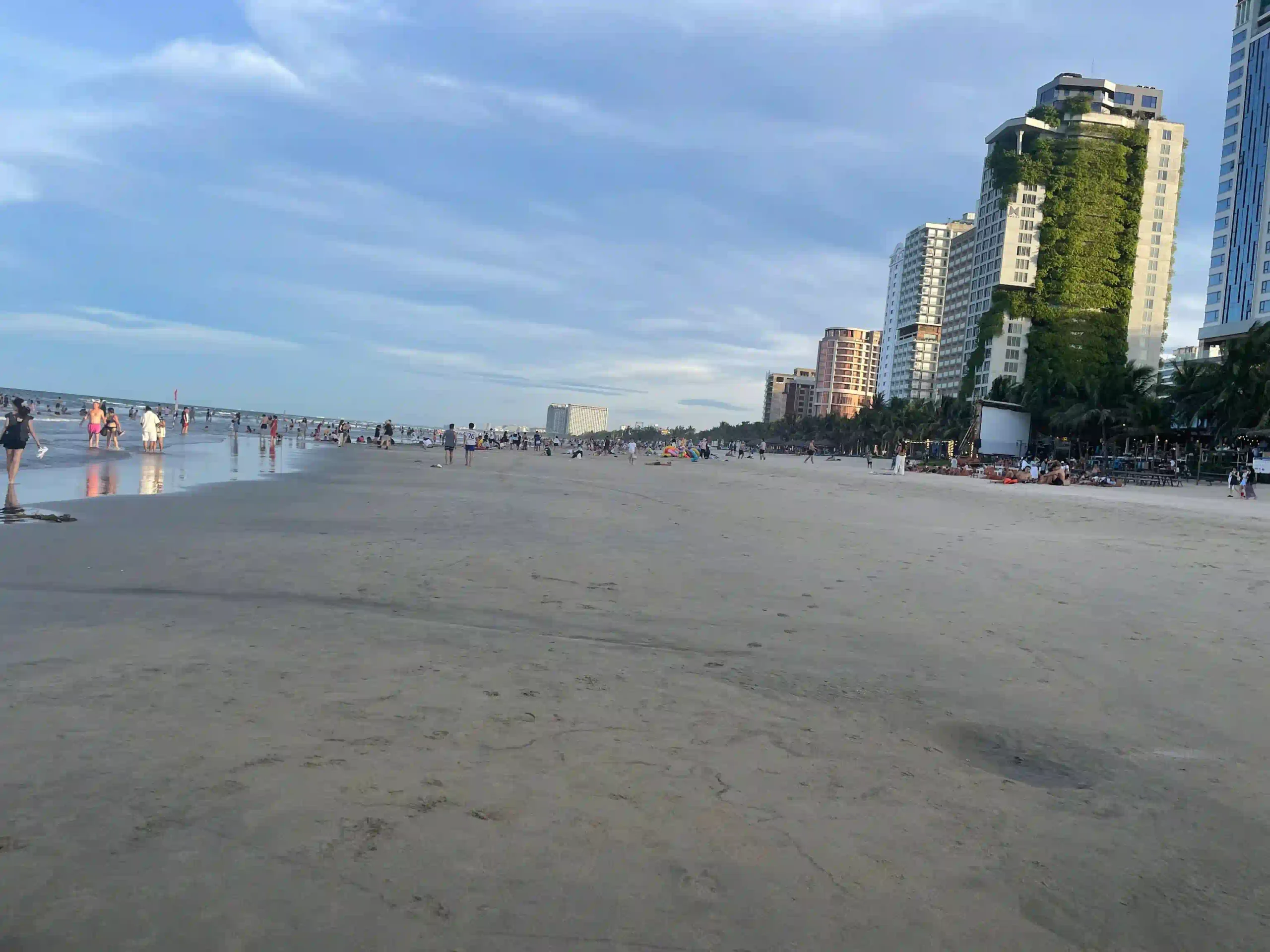
To successfully map out your trip and decide which places you actually want to check out around the city, you need to consider how weather conditions will impact your plans. Riding a motorbike along the coastline is highly enjoyable under clear April skies, but the same journey becomes hazardous in a late-year rainstorm.
The Two Main Climate Phases
Instead of four distinct temperate seasons, Da Nang basically has two modes: Dry (February to August) and Wet (September to January). The conditions within these periods change drastically, meaning you need to plan carefully.
February to May: The Ideal Weather Window
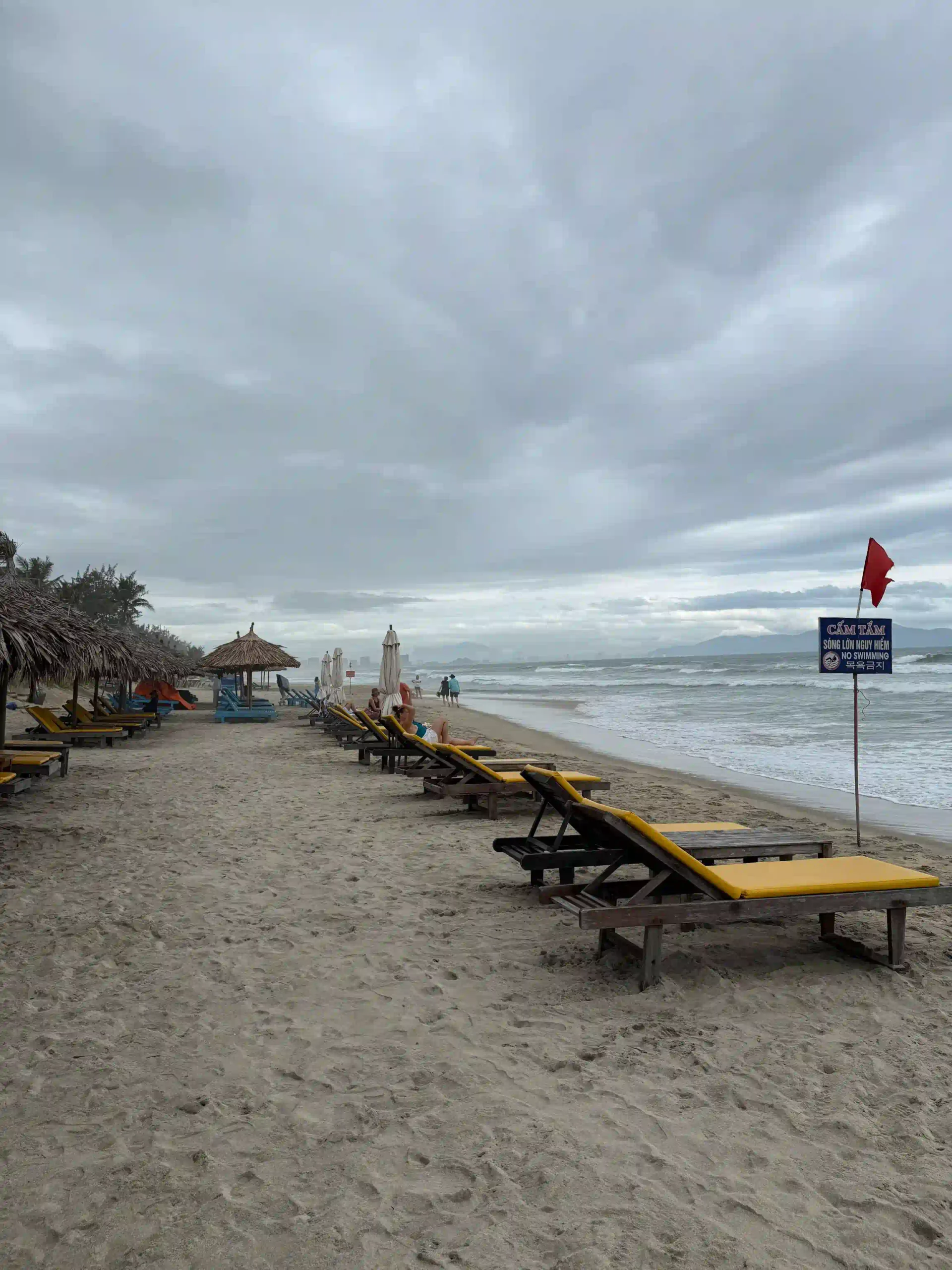
This period is widely considered the best time to visit Da Nang. In February and March, the heavy rains disappear, leaving clear blue skies and comfortable temperatures ranging from 22°C to 28°C. This makes outdoor sightseeing and exploring local cafes incredibly pleasant.
However, travelers should be aware that the Lunar New Year (Tet) often falls in late January or early February, during which many local restaurants close. Checking local food recommendations, like this guide to the best restaurants in Da Nang, can help you find reliable options that remain open during the holiday period.
April and May offer excellent conditions for coastal adventures. The seawater warms up, making the beach highly enjoyable. It is also the perfect time to rent a motorbike and explore the scenic loop of the Son Tra Peninsula or cross the iconic Hai Van Pass. Hotel rates remain standard during these months, and visitors can easily find comfortable hotels near My Khe beach for around $30 to $50 USD per night.
June to August: High Heat and Domestic Tourism Peak
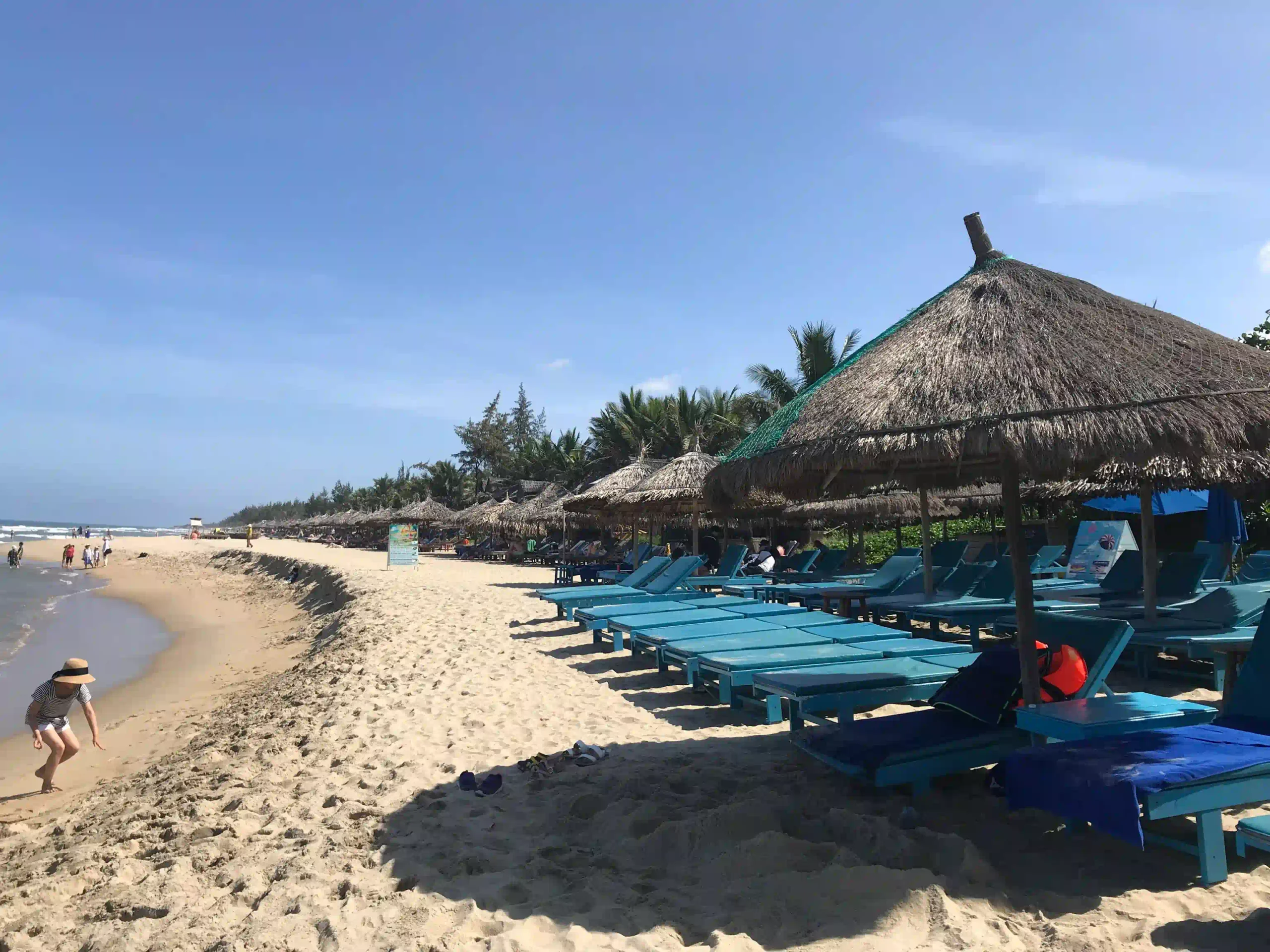
By June, summer arrives with aggressive temperatures regularly hitting 35°C to 38°C, accompanied by high humidity. Midday outdoor sightseeing, such as climbing the stone steps of the Marble Mountains, can be exhausting. Visitors should follow the local schedule: stay indoors during the middle of the day and explore early in the morning or late in the afternoon. For real-world tips, check out this Fodor's forum discussion where travelers share how they handle the intense summer conditions.
This period also coincides with school summer holidays, bringing massive waves of domestic tourists. Beaches, seaside seafood restaurants, and roads become highly crowded, and hotel rates often double. Additionally, the International Fireworks Festival takes place on weekends during these months, offering incredible displays over the Han River but causing severe traffic jams in the city center.
September to November: The Rainy and Typhoon Season
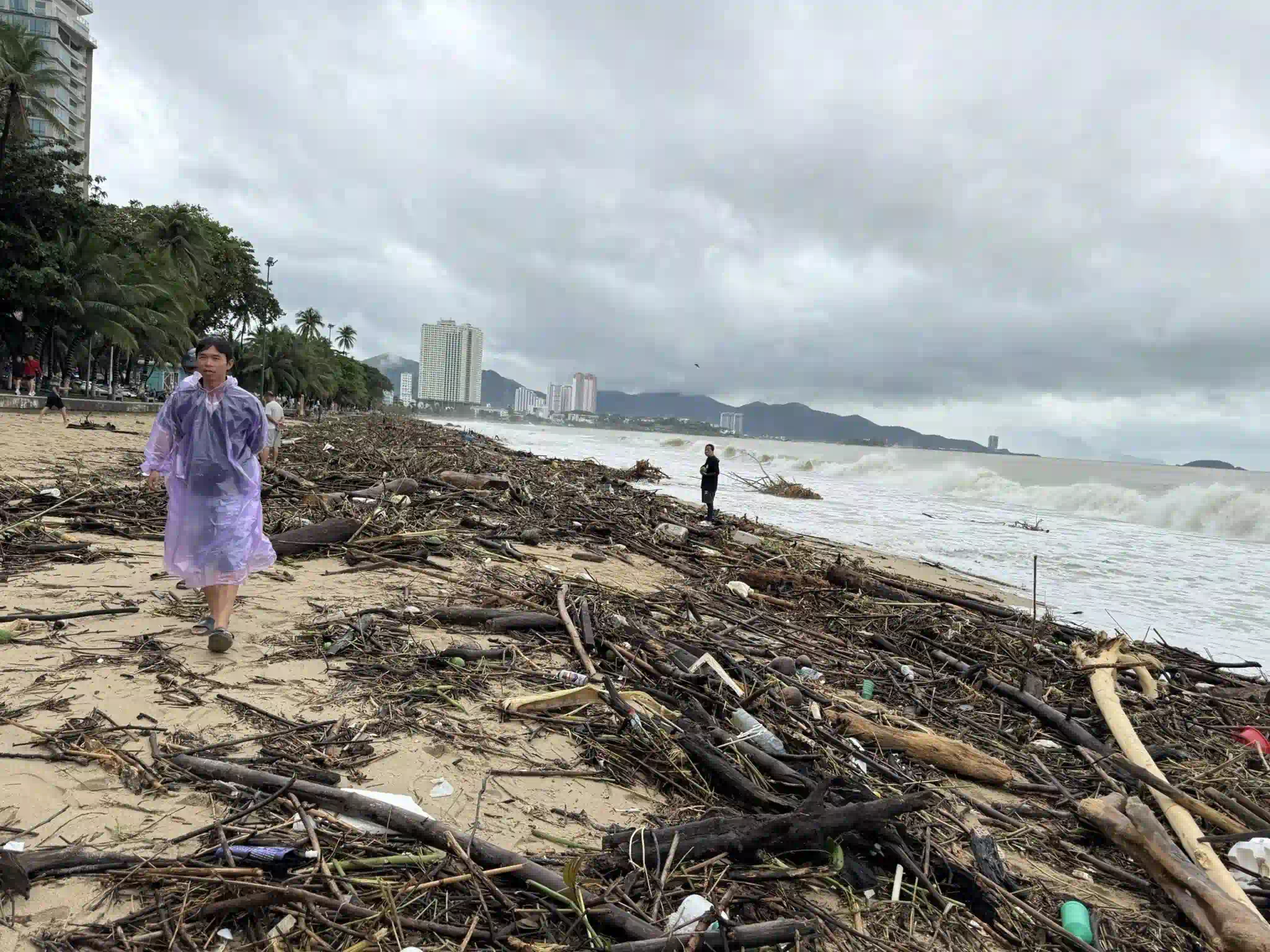
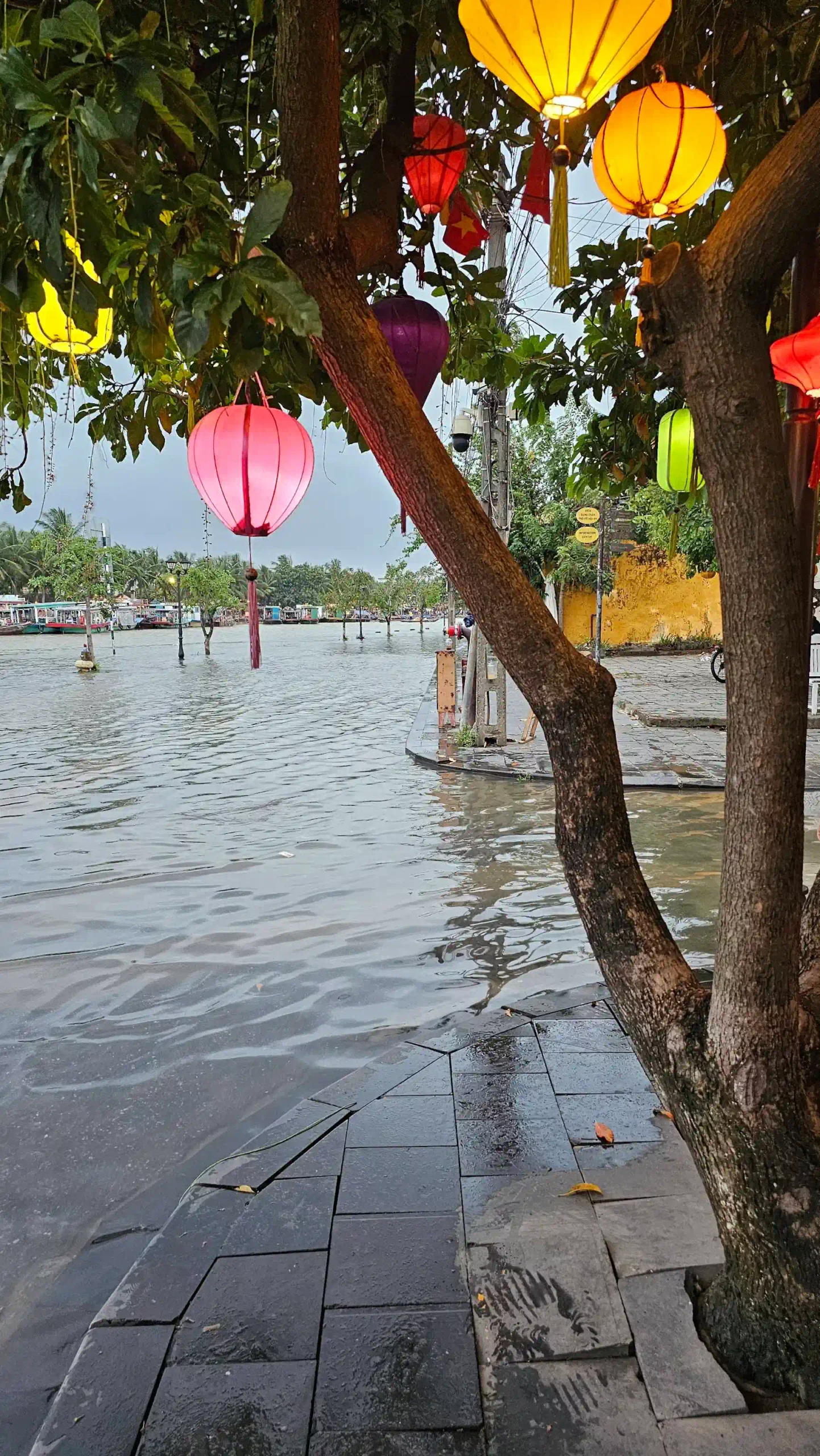
Autumn brings the wet season, marked by heavy rainstorms and occasional typhoons. Unlike quick tropical showers, it can rain heavily for days on end, causing localized street flooding in the city center. Extreme flooding events can sometimes occur, disrupting regional logistics and everyday life, as reported by Vatican News regarding local flood relief efforts.
While travel costs and flights from Hanoi or HCMC drop to their lowest rates, visiting during this time is a gamble. Flights and outdoor tours are frequently canceled due to heavy rainfall, a risk highlighted in the Outlook Traveller weather advisory for central Vietnam.
December to January: The Cool and Drizzly Period
Winter temperatures usually drop to 18°C–22°C. While not freezing, the high humidity and coastal wind make it feel much cooler, requiring a light sweater or windbreaker. A fine drizzle is common, and the sea is too rough for swimming. However, it is an excellent time to explore local markets and enjoy indoor activities or food tours without the summer heat.
Weather Impact on Surrounding Sights
Regional microclimates heavily affect local attractions. Ba Na Hills sits nearly 1,500 meters above sea level, making it much cooler than the city. While refreshing in summer, it is cold in winter, and during autumn, it gets covered in thick fog, hiding the Golden Bridge from view. For practical advice on visiting, you can refer to the guide on planning a day at Ba Na Hills.
Additionally, the low-lying ancient town of Hoi An regularly experiences flooding in October and November when the Thu Bon River rises, occasionally submerge historic streets in water.

Conclusion
For the best overall experience, aim to visit between February and May. If you travel during the summer, adjust your daily schedule to avoid the midday sun and budget for higher peak-season prices. If you are interested in regional culture rather than beaches, the cooler winter months are highly comfortable, provided you pack some warm layers. For a smooth, relaxed journey through the region, you can consult this detailed itinerary for Da Nang, Hue, and Hoi An.
Comments
Post a Comment